


 Call Now


Winding Down One Season, Gearing Up for the Next: Avoiding Transition Injuries
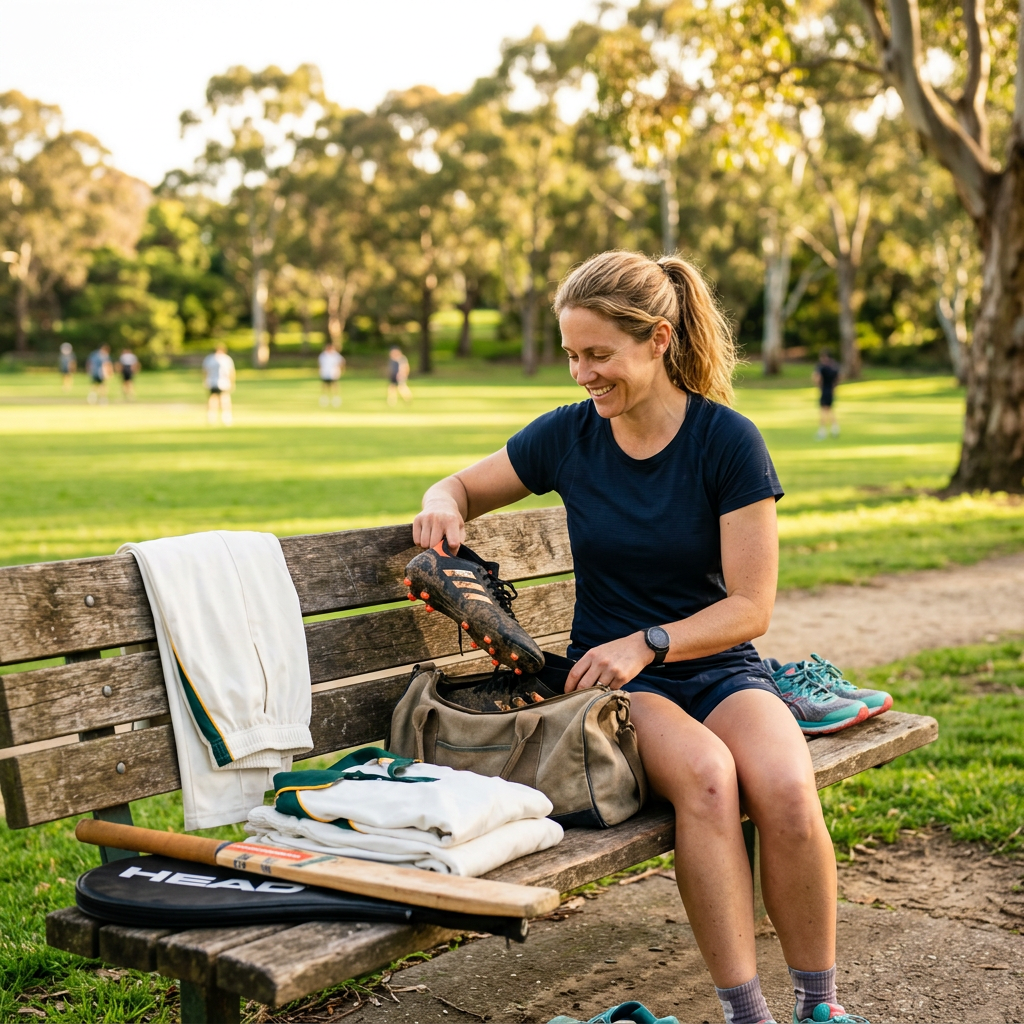
As the winter sport season wraps up across Perth, a lot of us are swapping codes. The footy boots go in the cupboard, and out come the cricket whites, the tennis racquet, or the running shoes for those longer, warmer spring evenings. It's one of the best times of year to be active — but the change of season is also a sneaky time to pick up an injury.
The reason is simple: your body gets very good at whatever you've been doing all winter, and switching to a different sport (often after a break) asks it to do new things it isn't quite conditioned for yet. Here's why transition injuries happen, and how to move into the new season without one.
Why the change of season catches people out
There are a few things working against you when you switch sports.
Different sports load your body in different ways. A winter of footy or netball builds one set of movement patterns; cricket, tennis and distance running demand others — new muscles, new ranges, new impacts. Your body needs time to adapt to those fresh demands.
There's often a break in between, too. Even a few weeks off between seasons leads to a degree of de-conditioning. If you then launch straight back in at full noise, the jump from "resting" to "flat out" is exactly the kind of spike that leads to strains and overuse niggles.
And enthusiasm doesn't help. A new season brings fresh motivation, which is great — but it can tempt you into doing too much, too soon before your body has caught up. We wrote about this pattern in more detail in managing training load, and it applies just as much between seasons as during them.
Common transition injuries to watch for
As people change codes in spring, some injuries tend to crop up more than others:
- Muscle strains — hamstrings, calves and groins, particularly when sprinting or changing direction in a sport you haven't done in months
- Overuse niggles — shin pain, Achilles and knee complaints as running or repetitive loads ramp up quickly
- Shoulder and elbow complaints — throwing, bowling and serving load the upper limb in ways winter sport often doesn't
- Rolled ankles — new surfaces, new footwear and new movements all raise the odds (our guide on what to do in the first 48 hours is handy to have on standby)
How to move into the new season safely
The good news is that most transition injuries are avoidable with a bit of planning. A few sensible habits go a long way.
Ease in gradually. Resist the urge to go straight into full training and match intensity. Building your volume and intensity up over a few weeks gives your body time to adapt to the new demands.
Warm up for the sport you're doing now. A warm-up that served you well for footy isn't necessarily right for cricket or a long run. Prepare the specific movements and muscles your new sport relies on.
Keep up your strength and conditioning. Maintaining some strength work through the changeover helps your body tolerate new loads. Our article on why stretching and strengthening matter covers the basics.
Check your gear. New season, new equipment demands — the right footwear for running or court sport, and a racquet or bat that suits you, all reduce unnecessary strain.
Respect the niggles. A small complaint early in a new season is easier to manage than one you've pushed through for a month. If something doesn't settle, it's worth paying attention to.
When to get something checked
Easing in sensibly prevents a lot of problems, but not everything. If you pick up a strain that isn't settling, an overuse niggle that keeps building, or a joint that's swollen, unstable or painful, having it assessed early puts you in the best position for the season ahead.
At Joondalup Sports Medicine, one of our Sports Doctors can examine the issue, work out what's going on, and put together a management plan suited to you and your sport — through our Injury Diagnosis and Management service, or our Acute Injury Clinic for a fresh injury. No referral is needed.
Frequently asked questions
Why do I keep getting injured at the start of a new season? Switching sports loads your body in new ways, and a break between seasons leads to some de-conditioning. Jumping back to full intensity too quickly is a common cause of early-season strains and overuse niggles. Building up gradually helps.
How long should I take to build up when starting a new sport? It varies between individuals, but progressively increasing your training over several weeks — rather than going flat out from day one — is a sensible general approach. If you're returning from an injury, it's worth getting individual advice.
Should I see someone for a minor niggle early in the season? A small complaint that settles quickly is usually nothing to worry about. But if a niggle lingers, keeps returning or is getting worse, having it assessed early is easier than managing a bigger problem later.
Heading into a new season?
Whether you're picking up the cricket bat, dusting off the racquet or lacing up for longer runs, a smart transition sets the tone for the months ahead. And if something crops up along the way, our Sports Doctors are here to help.
To book an appointment, book online or call our friendly reception team on (08) 6388 4446.
This article is general information only and isn't a substitute for individual medical advice.
Category: Sport Management
Date: September 11, 2026
