


 Call Now


Summer Holidays: Keeping Active Kids Injury-Free
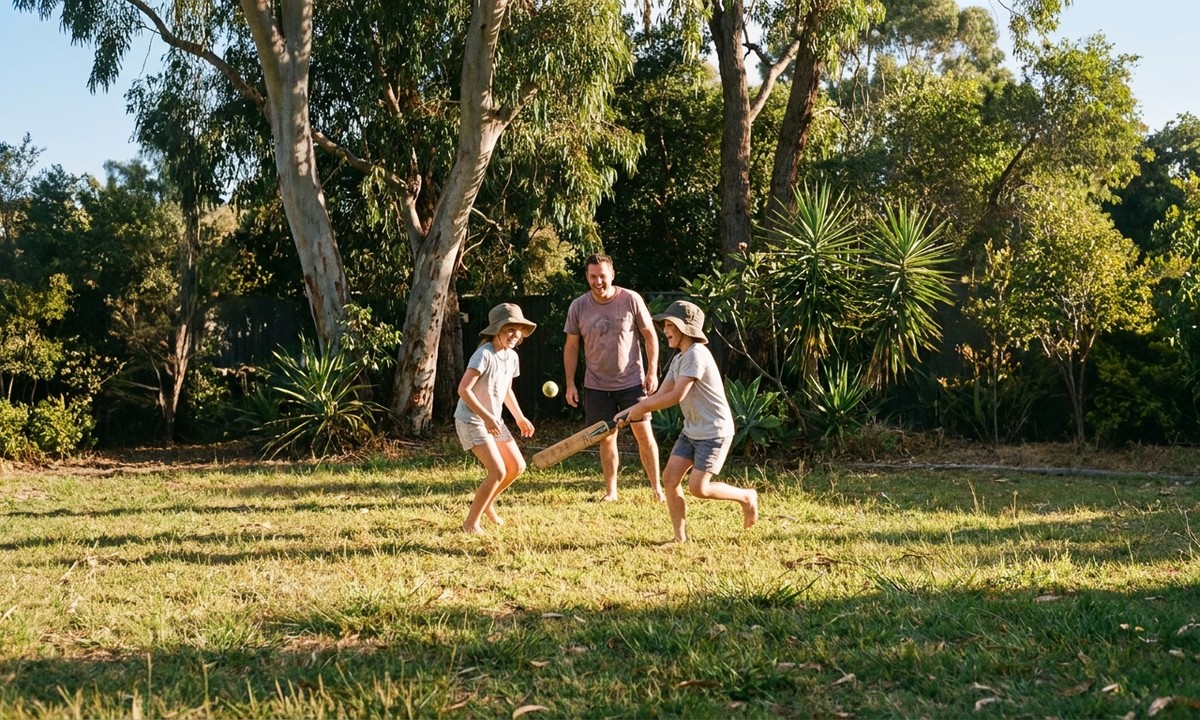
Six weeks of summer holidays is a big stretch of time. For a lot of Perth kids, it means more swimming, bike rides, backyard cricket, beach days and holiday sport camps, which is great news for their health, fitness and mood.
It's also a time when routines change quickly. Kids can go from a busy term of school sport to almost nothing, and then straight into a full-on holiday camp or a week of non-stop activity on a family trip. Those sudden changes are when we tend to see a few predictable niggles.
Why holiday injuries happen
Children and teenagers are still growing. Their bones, muscles and tendons are adapting all the time, and areas near growth plates (around the knees, heels and elbows) can be more sensitive to repeated load. Most holiday injuries come down to a few common factors:
- A sudden jump in activity after a quieter few weeks
- Playing one sport or activity over and over, with little variety
- Hot weather, poor hydration and tiredness
- New surfaces, such as sand, trampolines, skate parks or unfamiliar courts
Common niggles we see over summer
Heel pain in active kids
Heel pain is common in growing children who run and jump a lot. It often shows up after sport or at the end of a busy day and may ease with rest. Pain that's getting worse, causing a limp or stopping your child from playing is worth having assessed.
Knee pain at the front of the knee
Pain just below the kneecap can appear in kids who do a lot of running, jumping or kicking. Like heel pain, it's usually related to load and growth, and a sensible plan can help them keep moving.
Rolled ankles and wrist injuries
Uneven ground, trampolines and scooters are classic sources of sprains and falls onto an outstretched hand. Our article on what to do in the first 48 hours after a rolled ankle covers the early steps.
Simple ways to keep kids active and safe
1. Build up gradually
If your child is heading into a holiday camp or a week of daily sport, try to keep them moving in the lead-up rather than going from zero to full speed.
2. Mix it up
Variety is good for growing bodies. A mix of swimming, cycling, ball sports and free play spreads the load and keeps things fun.
3. Plan around the heat
Schedule activity for the cooler parts of the day, pack plenty of water, and make sure kids wear a hat and sunscreen. Children can overheat more quickly than adults, so build in regular shade and drink breaks.
4. Make rest part of the plan
Sleep and rest days matter, especially during busy camps or tournaments. A tired body is more likely to pick up a niggle.
5. Check the gear
Shoes that fit, a helmet for bikes and scooters, and the right equipment for the sport all help reduce the risk of avoidable injuries.
When to get it checked
Most minor bumps and strains settle within a few days. It's worth having your child assessed if:
- Pain hasn't improved after a week or so, or keeps coming back
- They're limping or changing how they run or play
- There's significant swelling, bruising or they can't put weight on the leg
- Pain is waking them at night
- They've had a head knock and have any symptoms (see our Concussion Clinic)
Seek urgent medical care for an obvious deformity, severe pain or a suspected fracture.
How Joondalup Sports Medicine can help
Our Sports Doctors see children and young athletes as well as adults. We can assess the injury, arrange imaging if it's needed, and put together a plan to help your child return to activity. Our Acute Injury Clinic runs on Monday afternoons for new injuries, and no referral is needed. You can also read more about how a Sports Doctor can support young athletes.
Prefer to call? Phone us on (08) 6388 4446.
Joondalup Sports Medicine: Beaumaris Shopping Centre, Suite 1, 62 Constellation Drive, Ocean Reef WA 6027.
This article is general information only and isn't a substitute for advice about your own situation. If you have new, severe or worrying symptoms, see your GP or seek medical help. In an emergency, call 000.
Category: Sport Injuries
Date: November 16, 2026

